


The world of casinos is a vibrant tapestry woven from the threads of culture, history, and entertainment. Whether you’re in the glitzy halls of Las Vegas or the ornate buildings of Monte Carlo, casinos represent more than just places to gamble; they are symbols of leisure, luxury, and excitement. Today, we will embark on a journey to explore the various facets of casinos worldwide, their impact on the economies, and their cultural significance. For those interested in the virtual gaming space, casinos worldwide international casino sites offer a modern twist on traditional gambling experiences.
Casinos have been around for centuries, with their origins tracing back to ancient civilizations. The first known gambling house, or casino, is believed to have been established in Italy in the 17th century. The word “casino” itself originates from the Italian term for a small house or villa, which indicates a place for entertainment and pleasure. Since then, the casino industry has evolved dramatically, expanding its reach and influence globally.
Las Vegas, often considered the gambling capital of the world, sets the standard for casinos with its dazzling lights, extravagant shows, and endless entertainment options. Home to iconic establishments like the Bellagio and the Venetian, Las Vegas attracts millions of visitors each year. The city’s economy heavily relies on tourism, with casinos contributing significantly through employment and government revenue. With ongoing developments and increased competition, Las Vegas continually reinvents itself to maintain its allure.
In stark contrast to Las Vegas, Macau has emerged as a major player in the global casino scene. Known as the “Gambling Capital of the World,” Macau surpassed Las Vegas in gaming revenue in recent years. The region’s unique blend of Portuguese and Chinese cultures creates a distinctive atmosphere that attracts both high rollers and casual gamblers. The Cotai Strip, a stretch of land reclaimed from the sea, is home to some of the largest and most extravagant casino resorts, like The Venetian Macao and the Galaxy Macau, catering to a diverse clientele from around the globe.
In Europe, casinos are often more than just gaming venues; they are historical landmarks. The Casino de Monte-Carlo in Monaco has been a symbol of glamour since the 19th century, attracting royalty and celebrities alike. Its elegant architecture and opulent interiors provide a glimpse into a bygone era of luxury. Many European cities also boast state-owned casinos, where the government regulates operations while retaining a share of the profits. This model differs greatly from the privatized systems in the U.S. and Asia, reflecting regional attitudes towards gambling.
As the casino industry continues to grow, there is a rising trend toward online gaming. The advent of technology has transformed how people engage with gambling, leading to the proliferation of international casino sites that allow users to experience casino games from the comfort of their homes. This shift presents both opportunities and challenges for traditional casinos, prompting them to adapt or risk losing a significant portion of their clientele to the digital realm.
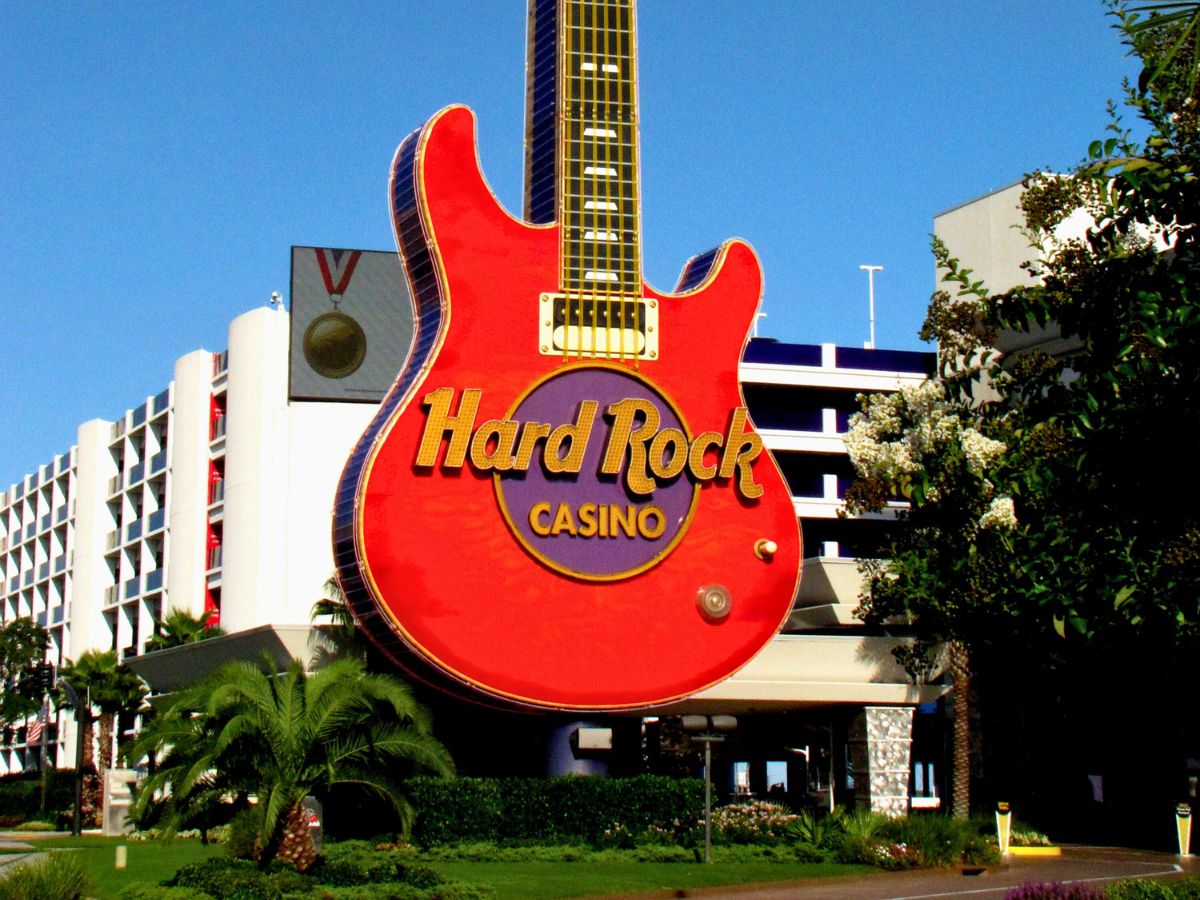
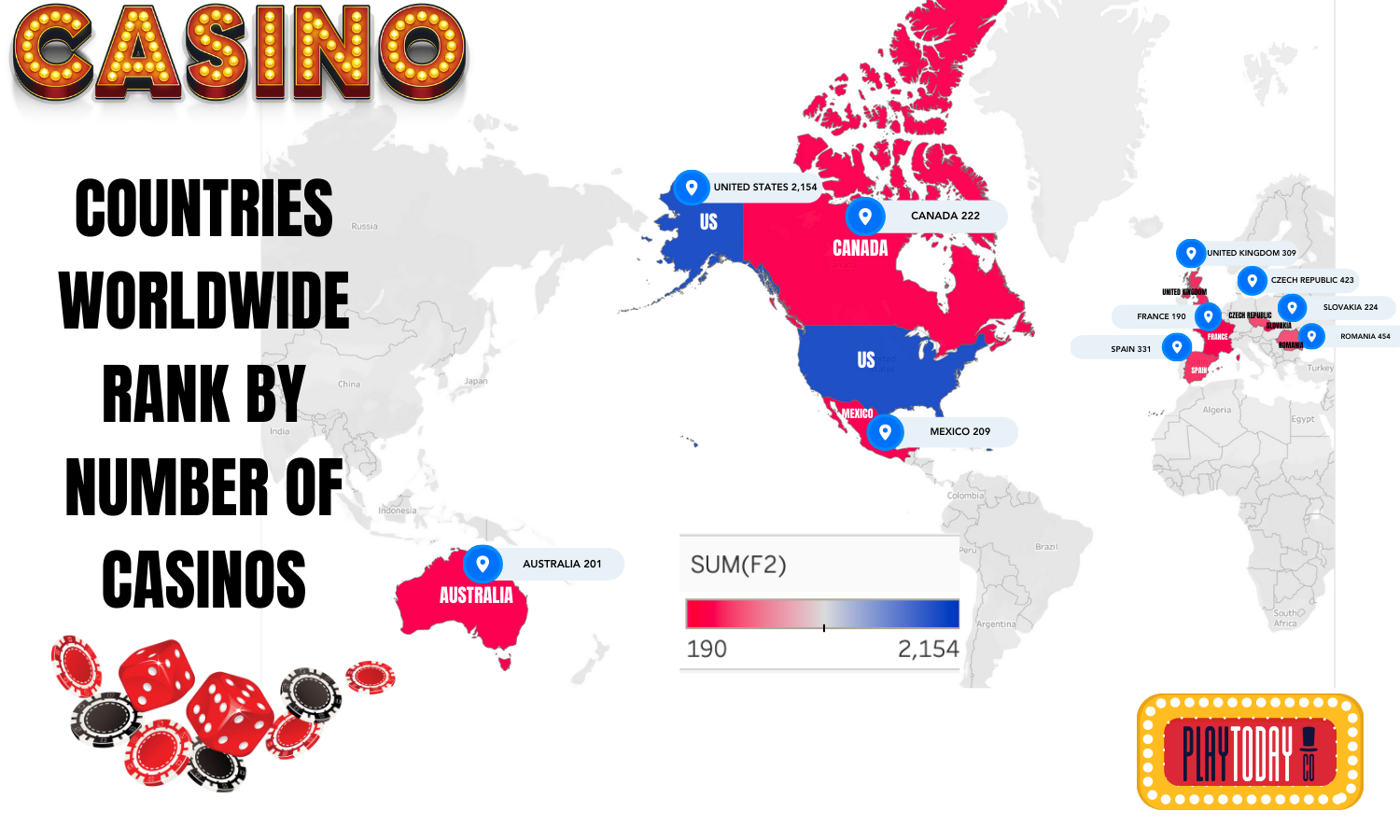
In addition to traditional gaming, many casinos have expanded their offerings to include entertainment, dining, and shopping experiences to attract a wider audience. Integrated resorts, which combine casinos with hotels, restaurants, and entertainment venues, are becoming the norm. These developments create a more holistic experience, ensuring guests have a range of activities beyond just gambling. For instance, the Resorts World Sentosa in Singapore features not only a casino but also a theme park, aquarium, and luxury hotels, all aimed at providing a complete entertainment experience.
However, the expansion of the casino industry has not been without controversy. Issues related to problem gambling, crime, and social impact are ongoing concerns for many cities and countries. As casinos expand their reach, there are increasing calls for responsible gambling measures to be put in place, ensuring that players can enjoy their experiences without falling into harmful habits. Many jurisdictions have implemented strategies, such as self-exclusion programs and mandatory training for staff, to address these challenges.
Moreover, regulatory environments vary greatly from one country to another, shaping how casinos operate. In the U.S., each state has the authority to regulate gambling, leading to a patchwork of laws that can either promote or restrict casino operations. Meanwhile, places like Japan have only recently begun to open up to the idea of legalized casinos, doing so with strict regulations aimed at controlling the industry while capitalizing on the potential economic benefits.
Looking ahead, the future of casinos appears to be a blend of innovation and tradition. As technology continues to evolve, casinos must adapt to remain relevant. Virtual reality gaming, mobile apps, and cryptocurrencies are just a few examples of trends expected to influence the gaming landscape significantly. Furthermore, the ongoing globalization of the casino industry suggests that we may see more collaboration and integration between different countries, allowing for shared experiences in gaming.
In conclusion, casinos worldwide encapsulate a diverse range of cultural experiences, each shaped by local customs and economic factors. From the neon lights of Las Vegas to the historical elegance of Monte Carlo, these establishments not only serve as places of entertainment but also as vital contributors to national economies. As online gaming continues to rise and shift the landscape, traditional casinos will need to innovate while preserving the unique elements that make them appealing. Whether through luxury resorts or digital platforms, the future of gambling promises to be thrilling, ever-evolving, and rich with cultural significance.